Wedding Entertainment Timeline (Planner-Approved Structure)
A wedding entertainment timeline is the structural backbone of the entire evening. Here's a planner-approved structure — and the thinking behind every decision.
A wedding entertainment timeline isn't just a schedule — it's the structural backbone of the entire evening. When entertainment elements are sequenced correctly, the day flows from ceremony to celebration without gaps or friction. When they're not, the evening develops awkward pauses, energy dips, and moments that should feel significant feel rushed or disconnected. This guide provides a planner-approved structure with the reasoning behind each decision.
A Recommended Wedding Entertainment Timeline
| Time | Element | Notes |
|---|---|---|
| 12:00–2:00pm | Ceremony | Background music if required — coordinated with the venue |
| 2:00–4:00pm | Drinks reception | Acoustic, jazz or curated ambient playlist — conversation-friendly volume |
| 4:00–6:30pm | Wedding breakfast | Low-tempo dinner music — background level, no sudden tempo or volume changes |
| 6:30pm | Evening guests arrive | DJ transitioning the room from dinner to evening energy |
| 7:00pm | First dance | Full coordinated sequence — build-up, announcement, full track, transition |
| 7:15pm | Evening reception begins | Full DJ set, dance floor lit, photo booth opens |
| 7:15–10:30pm | Peak entertainment window | Dancing, photo booth, socialising — DJ building energy progressively |
| 10:30pm | Final hour | DJ builds toward the last song — agreed in advance with the couple |
| 11:30pm | Last song | Announced, celebrated, coordinated close |
The Drinks Reception
Background music during the drinks reception sets the first tone of the day after the ceremony. Light, warm, ambient music — acoustic pop, jazz, or a curated instrumental playlist — creates a welcoming atmosphere without competing with conversation. Volume should be low enough that guests can talk easily but present enough that silence doesn't fill the room. This phase is usually managed via a curated playlist rather than an active DJ set.
Common mistake: no music at all during the drinks reception, or music that's too loud. Both derail the mood before the reception has properly started.
The Wedding Breakfast
The DJ's role during dinner is restraint. Music should be present and considered, but never intrusive — background level, tempo appropriate for relaxed conversation, no sudden genre shifts or volume spikes. The skill at this stage is selecting music that complements the room without anyone consciously noticing it's there.

The First Dance
The first dance is the moment the evening changes gear — and typically the single most emotionally significant entertainment moment of the entire day. It requires preparation. A professional wedding DJ coordinates the full sequence: the introduction, the announcement, the build-up, the full track, and the transition into the first song of the evening set. This entire sequence should be walked through in the pre-event consultation, not improvised on the night.
When to Do the First Dance
The traditional structure has the first dance immediately after dinner, before evening guests arrive. An increasingly popular alternative is to open the evening set first, allow the dance floor to warm up, and then bring the couple on for the first dance once the room already has energy. Both structures work — the critical thing is that both the couple and the DJ know exactly which is being used, well in advance.
The Evening Reception
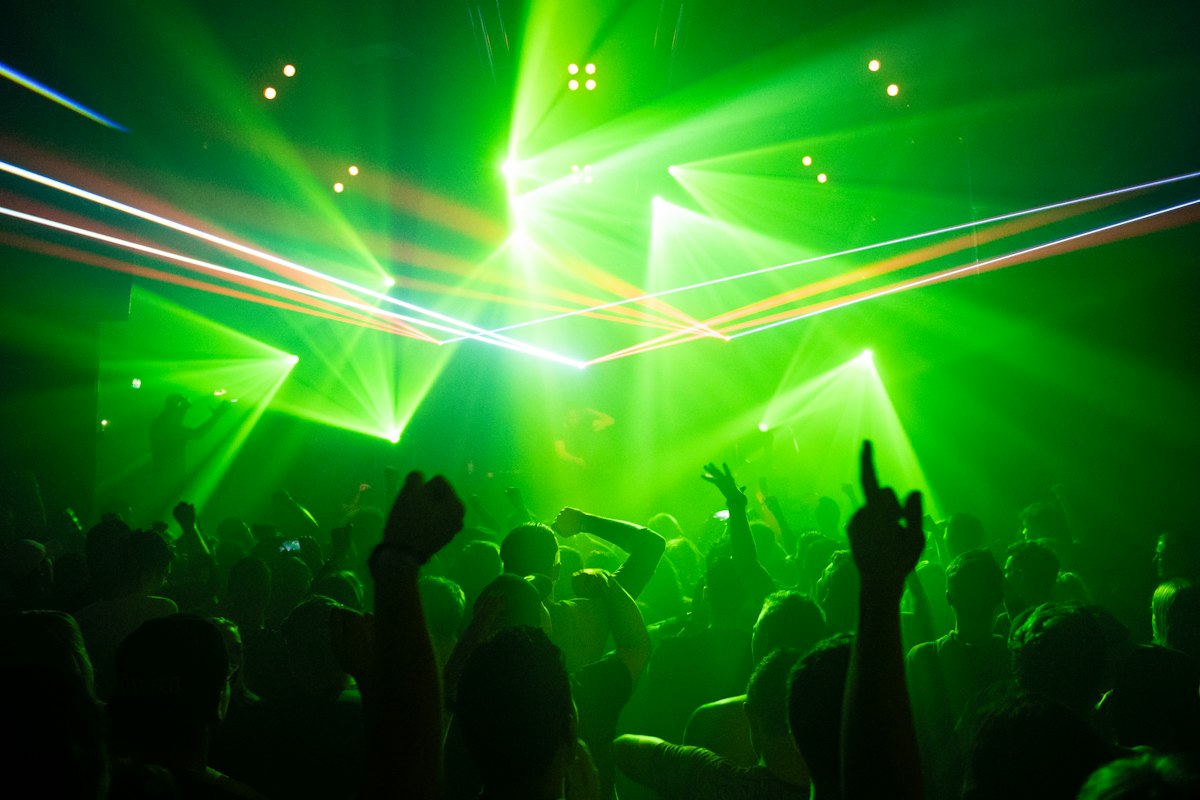
The most successful wedding evening receptions maintain energy across two distinct phases. The opening hour — roughly 7:00–9:00pm — when the dance floor is warming up and the photo booth is seeing its highest footfall. And the later phase — 9:00–11:30pm — when the room is fully in the evening and the DJ has full creative latitude. The common error is peaking too early: creating a high point in the first hour that can't be sustained. The best wedding DJs build the evening deliberately, knowing the final hour should be the most memorable.
Managing Evening-Only Guests
If your wedding has an evening-only guest list arriving from 6:00–7:00pm, this needs to be built into the entertainment plan. The first dance shouldn't happen before all evening guests have arrived. The photo booth should open at a time when both day and evening guests are present. Brief the DJ on the expected arrival time for evening guests so they can manage the room's energy through the transition seamlessly.
Motion Entertainment coordinates every element of wedding entertainment — from the drinks reception playlist through to the last song of the evening.
View Wedding DJ PackagesPrevious
What Wedding Planners Look for in Entertainment Suppliers
Next
How to Impress Clients at Corporate Events
Related Posts
Wedding DJ vs Band: A Real Cost Comparison (UK 2026)
A wedding band typically costs 3–5x more than a DJ. But is it worth it? Here's an honest, side-by-side cost and experience comparison to help you decide.
WeddingHow to Choose a DJ for Your Wedding (Without Making a Mistake)
Your wedding DJ will control the atmosphere for 4–6 hours. Here's a practical, no-nonsense guide to finding the right one — including the exact questions to ask before you book.